NADO’s ‘We’re All in this Together’ pilot
How NADO is building fairer pathways for young workers
- Case study
 4 min read
The Employer Innovation Lab helps employers create pathways for young people without degrees, with support from the Paul Ramsay Foundation and the Macquarie Group Foundation.
For more than 40 years, NADO has been supporting people with disability, the frail, and the aged – along with their families and carers, to thrive within the home, at work, and in the community.
When NADO joined the Employer Innovation Lab, the organisation had spent many years employing young people in disability support worker and home care worker roles. Young employees spoke highly of the organisation, with some working at NADO whilst studying in other fields, and others raising questions about career progression, accessing training opportunities, and what a long-term future at NADO and the care industry could look like for them.
NADO saw an opportunity to proactively promote employment opportunities to attract more young people, strengthen support and development for existing staff, and demonstrate that working in the care sector can be more than a stepping-stone to another career pathway, and that NADO can offer a long-term career, in a safe, supported environment.
‘We’re all in this together’ helped to embed the mindsets and behaviours that ensured any changes made would be benefit new hires, existing staff, the organisation, and the community that the organisation serves.
The pilot taught me patience. It was an opportunity to take a step back and understand the new hire’s journey. I put myself in that position and asked, ‘If I was coming into this industry, what would help me?”Carey • Coordinator – NADO Disability & Aged Care

The business challenge
NADO identified a gap in how young people entered and progressed through the organisation. There was a lack of clarity on pathways for people without university qualifications to join the workforce and limited visibility of development opportunities and career progression once they were employed. Further, some young people pursuing university qualifications considered NADO as a studying or temporary employment opportunity rather than a long-term career resulting in a critical gap in young talent remaining and progressing through the organisation. For others, a lack of clarity on what steps they could take to build their skills limited their understanding of what their future in the industry could be.
The organisation also recognised that disability support and home care roles rely heavily on ‘soft skills’ for relationship building, empathy and resilience. The industry benefits from learning and support from experienced practitioners, yet opportunities to share knowledge across generations of workers were not always structured or visible.
With a community-minded approach to hiring, opportunities to connect with local young people had been pursued, including attending jobs fairs and hiring activities. Previous attempts to work with local employment providers had delivered mixed results, leaving local young people without university qualifications underrepresented in the workforce.
The opportunity to enhance practices and boost workplace culture extended beyond recruitment. NADO wanted to create clearer development pathways, improve communication about opportunities for training, and ensure all employees felt supported once they joined the organisation.
SVA’s feedback, check-ins and responsiveness throughout the process as important in helping shape ideas and carry them through.”Julia • People and Culture Manager – NADO Disability & Aged Care
Building the pilot
The pilot was shaped by input from managers and young workers. It combined practical improvements with longer-term changes aimed at strengthening attraction, development and retention.
One of the first changes focused on training opportunities. NADO updated its expression of interest process, making development opportunities more accessible across the organisation, including certifications such as medication administration. This small change could be made quickly and gave staff greater visibility of available training and clearer pathways for progression.
NADO also strengthened its buddy and mentoring approach. While elements of the system already existed, the pilot formalised the process and created more opportunities for experienced employees to share knowledge and support newer staff. Team members reported feeling more connected, supported and confident in their roles.
Youth voice shaped the pilot throughout. SVA conducted focus groups with young workers and prepared a de-identified feedback report. The findings included positive reflections on many things that NADO does well and highlighted opportunities to strengthen onboarding, mentoring, career mapping, knowledge sharing, leadership development and graduate transition pathways. These insights informed both recruitment changes and broader pilot activities.
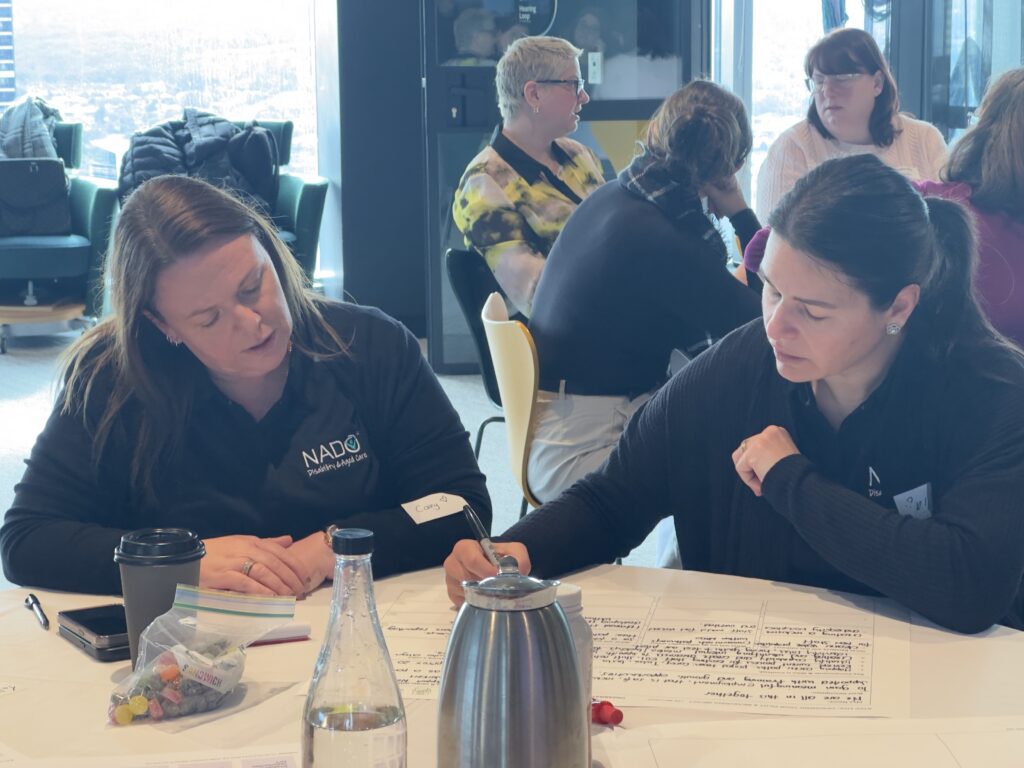
To clarify NADO’s employee value proposition and recruitment approach, the organisation developed clear career maps for disability support and home care roles, helping current and future employees understand how entry-level positions could lead to more senior opportunities across the business.
NADO strengthened relationships with local community partners to improve recruitment outcomes. With support from SVA, the organisation clarified recruitment needs, role types and expectations. Since the pilot, NADO has recruited two employees through the YES program, including one finance worker and one disability support worker.
To ensure young employees continued to feel supported after recruitment, NADO introduced short surveys and regular check-ins to better understand staff experiences and identify opportunities for improvement.
Key learnings and outcomes
The strongest learning was that small changes can create broader organisational change. Focusing on practical improvements rather than trying to solve every challenge at once helped build momentum and maintain leadership support.
One of the most valuable shifts was the opportunity to step back from day-to-day pressures and consider the experience of young people entering the industry. The pilot led to changes across recruitment, training and staff support, with 14 young people hired following that period. Two more young people were recruited through the YES program and joined the finance department, the first young hires in this business unit.
The work also strengthened engagement across the organisation. Staff showed increased interest in mentoring younger employees, while the revised buddy system improved support for new starters. Surveys and regular check-ins created more opportunities for feedback and helped ensure employees felt comfortable raising concerns and accessing support.
What’s next
NADO has already embedded several changes into practice, including improved processes to access training, mentoring, development supported by experienced staff sharing their expertise and insights, youth surveys and career maps. The organisation continues to strengthen partnerships with community organisations and build clearer pathways into disability support and home care careers.
Staff voice remains central to future planning as NADO works towards its growth target of 30%. The pilot has created a stronger foundation for a more inclusive and supportive workforce, while helping more young people see a future in the care sector.
Key takeaways for employers
- Test assumptions. Low application numbers do not always mean low interest. They can signal unclear pathways, limited visibility of opportunities or a lack of support.
- Start with practical changes you can control – that way you can build momentum and create the foundation for broader organisational change.
- Listen to your people. Surveys, focus groups and regular check-ins provide valuable insight into the employee experience.
- Support after hiring can be a game-changer. Buddying, mentoring and clearer onboarding strengthened the experience for new staff.
- Make pathways visible. Clear career maps and accessible development opportunities help people see a future with your organisation.
Meet the team
Get in touch to find out how the Employment team can help you create lasting change
-
 Director, Employment Lisa Fowkes
 -
 Associate Director, Employment Simon Crabb
 -
 Associate Director, Employment Johann Tabit
 -
 Associate Director, Employment Ronan Smyth
 -
 Employer Engagement Lead, Employment Susan Whillas
 -
 Employment Evidence and Practice Advisor Christine Han