
Behind the scenes with Susan Whillas
A conversation with Susan Whillas, Employer Engagement Lead, Employment
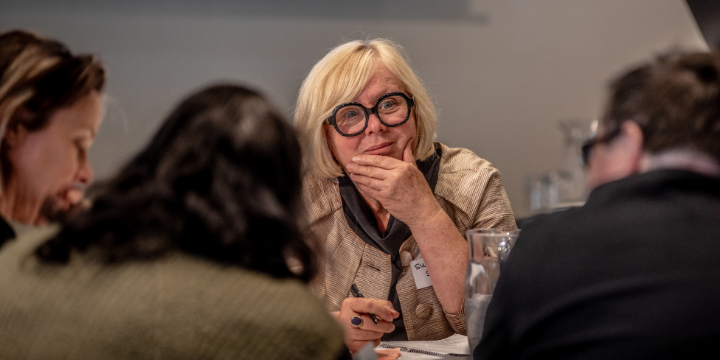
In this edition of our Behind the scenes series, we speak with Susan Whillas, Employer Engagement Lead in SVA’s Employment team. Susan works closely with employers to help create quality jobs and embed more inclusive practices for young people experiencing disadvantage.
What are you focusing on at the moment?
Susan: Building relationships with employers is always at the centre of my work. Right now, I’m coaching employers who participated in our Western Melbourne Employer Innovation Lab as they implement the pilot ideas they developed to create entry-level jobs and career pathways for young people facing barriers to employment.
I’m also helping deliver SVA’s Fair Chance Initiative Community of Practice events, which bring together Diversity, Equity and Inclusion, Talent Acquisition and People & Culture practitioners to share ideas and learn from one another. Our third in-person event is coming up in August, so I’m identifying and briefing employer workforce managers, speakers and inviting participants to attend.
In September we’re delivering our first Employer Innovation Lab in Queensland so I’m engaging with employers in the Ipswich region to interest them in participating.
What have you learned from working with employers to create more inclusive pathways into employment?
Susan: One of the biggest lessons I’ve learned is that most employers genuinely want – and need – to create opportunities for young people, but their recruitment and employment systems have become more rigid over time without considering who might be unintentionally excluded.
Today’s employers are operating in a fast-changing environment shaped by workforce shortages, new technology, changing employee expectations and increasing business pressures. As a result, recruitment processes can become complex, highly automated and difficult to navigate.
When employers take the time to view these processes through the eyes of a young person, they often discover barriers they never realised existed. Creating space and opportunity for that reflection helps them identify practical changes that make it easier for talented young people to access opportunities while also improving their own recruitment outcomes.
What’s something supporters might not always see about this work?
Susan: What supporters don’t always see are the moments when employer teams realise that some of their assumptions, practices or processes are not based on evidence and may be unintentionally excluding talented young people.
Those conversations can be incredibly powerful. We often see employers move from asking, “Why aren’t young people applying?” to asking, “What can we change to make our opportunities more accessible?”
When employers make those changes, the impact extends well beyond employment. Young people who may have felt invisible or overlooked gain confidence, purpose and a sense of belonging. At the same time, employers discover committed new talent and create workplaces that better reflect their values.
Those moments of connection and understanding are often where lasting systems change begins.
How is philanthropy making a difference through this project?
Susan: Philanthropy plays a critical role by giving employers the time, support and confidence to test new approaches to recruitment and workforce development that they may not otherwise have the capacity or resources to explore. It fills multiple critical but invisible gaps by building employer capability, fostering collaboration and creating stronger connections between employers and the organisations that support young people.
Through the Employer Innovation Lab, employers can experiment with practical solutions, learn from one another and adapt their recruitment, attraction and retention practices to better connect with young talent.
The results have been significant. More than 500 young people have secured quality employment and career opportunities through employer-led changes developed as part of the program. Behind every one of those outcomes is a young person whose future has been changed, along with positive impacts for their family, community and employer.
At the same time, businesses benefit from stronger talent pipelines, increased workforce resilience and access to skills they might otherwise have overlooked. Philanthropy makes it possible to create this shared value for both young people and employers.