
Tasmanian Employer Innovation Lab: employing young people in practice
A panel discussion in Hobart about what works in youth employment.
- News
 5 min read
*The Employer Innovation Lab helps employers create pathways for young people without degrees, with support from the Paul Ramsay Foundation and the Macquarie Group Foundation. In 2024, SVA ran its first Lab in Tasmania in partnership with the Tasmanian Government through Jobs Tasmania and the Employer of Choice Program.
Last week, Social Ventures Australia, Jobs Tasmania, and local employers came together in Hobart to launch the Tasmanian Employment Innovation Lab. As part of the Lab and to help spark ideas, SVA hosted a panel discussion with employers already working with young people.
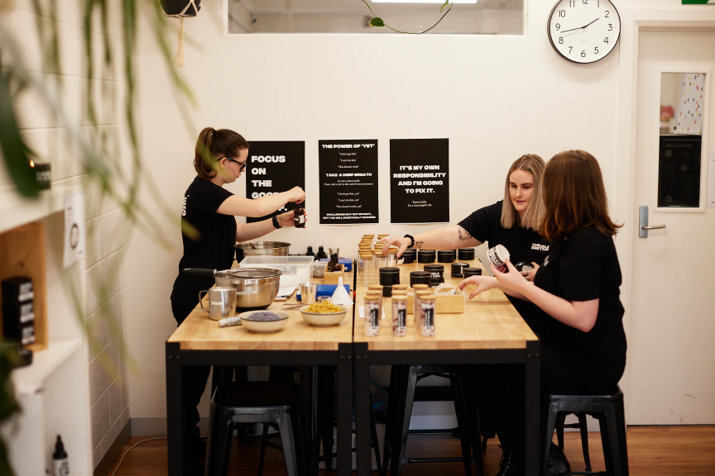
Photo: Troublesmiths social enterprise
Tasmania’s workforce is shrinking as more workers retire and fewer young people enter the job market. This trend is expected to continue. Existing challenges facing employers in getting the skills and labour they need are expected to worsen unless practices change. At the same time, a high number of young people are not engaged in work, education, or training (NEET), widening the skills gap and driving up social and economic costs.
In response, Jobs Tasmania and SVA are working with local businesses to design pilot programs that offer quality jobs to young people, especially those from less privileged backgrounds. The goal is to help businesses attract and retain talent while giving young Tasmanians the support they need to transition into meaningful careers.
The Lab’s opening day set the tone by giving participants an overview of Tasmania’s workforce challenges and Jobs Tasmania’s strategy to overcome them. Businesses reflected on their operations, exploring how things potentially look from a young person’s perspective. The discussions focused on identifying barriers currently locking young people out of jobs and brainstorming solutions to make employment pathways more accessible.
To help employers strategise, the SVA team hosted a panel discussion featuring four employers actively working with young people. The speakers shared practical insights about effective onboarding, mentorship, and creating growth opportunities. Their message was clear: it’s not just about filling jobs—it’s about nurturing talent, building confidence, and creating sustainable pathways for Tasmania’s future workforce.
Creating a talent pipeline in aquaculture
“Attracting young talent requires more than just advertising a job—it’s about understanding what they value and meeting them halfway”, shared Megan Pettitt, Tassal National Talent Acquisition Manager.
A leading aquaculture company operating across 13 locations in Tasmania, with additional facilities in Western Australia, Queensland, and New South Wales, Tassal is currently employing over 1600 staff. The organisation recently placed a strategic focus on engaging younger employees by working closely with schools and early-career job seekers to make roles in aquaculture more accessible.
As part of that plan, Tassal moved away from traditional recruitment and embraced attraction strategies through community outreach and youth engagement programs. They developed Lunch and Learn sessions and school partnerships, meeting young people where they are and building relationships early to provide career clarity and practical skills. Working with schools from Year 9 upwards can develop interest in the industry and this plays a big part in encouraging participation in certificates offered through the senior years i.e. Certificate II/III in Aquaculture.
“We realised that the old way of recruiting doesn’t resonate with new generations,” said Pettitt. “Now, we focus on what they bring to the table—their energy, attitude, and potential—and make sure we provide the support they need to thrive.” Tassal has developed an award winning six-week structured training program that allows selected candidates to be job ready before they even get on the water. This allows them to develop their skills, learn new ones and be ready, to be a valued member of the team from the get go.
Building resilience through Apprenticeships
“The time you spend with young employees is your investment,” said Matthew Scrimgeour, Apprenticeship Program Manager at Fairbrother. “It’s the most important part of the job because it helps them grow, which ultimately benefits the whole team.”
Fairbrother is a commercial construction company with offices in Tasmania and Victoria, employing more than 400 people. The company is renowned for its strong apprenticeship program, which focuses on individualised mentoring and hands-on learning to help young employees build confidence.
“We look for attitude first—if the passion is there, the skills will follow,” explained Scrimgeour. Fairbrother’s apprenticeships are structured around personal goal-setting and continuous assessments designed to maintain motivation and resilience. To address the common ‘second-year slump,’ the company has developed targeted resilience programs to keep apprentices engaged.
“Our approach isn’t about making them fit a mould,” said Scrimgeour. “It’s about helping them find their own path within the industry.”
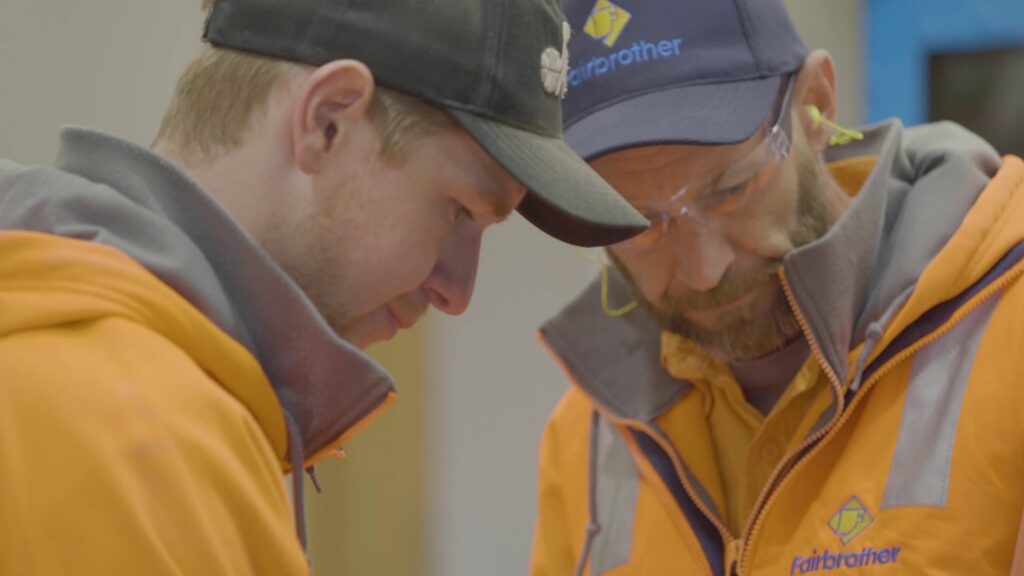
Photo: Apprenticeship program, Fairbrother
Whole-person approach to youth employment
“At Troublesmiths, work and life are interconnected. It’s not just about job skills—it’s about building resilience, confidence, and communication that young people can carry into every part of their lives,” said Megan Denne, Coordinator of the retail social enterprise.
Based in Hobart, Troublesmiths runs an eight-week job readiness program, giving participants hands-on experience managing a retail business. Participants learn by doing—making products, interacting with customers, and developing practical skills for future employment. Since its inception, Troublesmiths has supported over 325 young people and provided more than 75,000 hours of work experience.
A core part of their program is one-on-one mentorship, which Denne described as intentional and focused. “Our mentorship isn’t just a check-in—it reduces anxiety and helps build confidence, giving young people the clarity and support they need to succeed.”
Denne highlighted the importance of life skills. “For us, work is life, and life is work. We don’t just teach job skills—we cultivate life skills that young people carry into every part of their journey.”
Removing barriers to employment
“It’s all about breaking down barriers—sometimes it’s transport, childcare, or even just fear of the unknown. Our job is to connect young people with the right resources and help employers see potential beyond a CV. When we remove those obstacles, opportunities open up, and both the individual and the business benefit,” said Cassie Athanasiou, Manager of the Southern Employment & Training Network (SETN).
Operating across the Channel, Huon Valley and Bruny Island region, SETN is a part of the Regional Jobs Hub Network and provides free employment services, funded by Jobs Tasmania. The organisation focuses on workforce development by addressing practical challenges—like access to transport and childcare—while building confidence in young people. They aim to match job seekers with suitable opportunities and ensure businesses are equipped to tap into local talent.
SETN also works closely with employers to shift hiring mindsets. “A lot of what we do is about helping businesses look beyond traditional qualifications,” Athanasiou explained. The programs are designed to identify transferable skills—like leadership and resilience gained through sports; SETN equips job seekers to demonstrate their value to employers.
“We want employers to recognise the potential in young people and the skills they bring, even if they haven’t had formal work experience.”
The session closed on a high note, with participants energised – teams continued their work until the day’s final moments. Next week, the focus will shift from identifying barriers to taking action as the SVA team reconvenes with participating businesses to co-design pilot programs. These pilots aim to build accessible pathways to quality jobs, ensuring young people are empowered to thrive while supporting Tasmania’s economic future.



Meet the team
Get in touch to find out how the Employment team can help you create lasting change